
The human skin is a unique and complex organ that serves as a protective barrier between our body and the environment. One of the defining characteristics of the skin is its color, which is determined by a pigment called melanin. However, many factors can affect the production and distribution of melanin, leading to various skin pigmentation disorders. In this blog post, we will explore the science behind skin pigmentation and the different conditions that can affect it.
There are several different types of pigmentation problems that can affect the skin, including dark spots, freckles, melasma, and more.

Dark spots, also known as age spots or sun spots, are caused by overproduction of melanin in the skin. This can be triggered by exposure to the sun or other environmental factors, as well as aging.
Freckles are small, dark spots that are typically genetic in nature. They are caused by an increase in melanin production in response to UV radiation, and are often more prominent in people with fair skin.
Melasma is a type of hyperpigmentation that typically occurs in women during pregnancy or when taking hormonal birth control. It is caused by hormonal changes that stimulate melanin production, leading to patches of darkened skin on the face.
Other types of pigmentation problems include post-inflammatory hyperpigmentation, which can occur after a skin injury or inflammation, and vitiligo, which is a condition in which the skin loses pigment in certain areas. It’s important to note that while these pigmentation problems can be unsightly, they are generally harmless and don’t pose a health risk. However, if you’re concerned about any changes in your skin’s pigmentation, it’s always a good idea to speak with a dermatologist or other healthcare professional.
What Causes Pigmentation?
Pigmentation in the skin can be caused by various factors, including:
- Sun Exposure: UV radiation from the sun stimulates melanocytes, which are the cells responsible for producing melanin, the pigment that gives skin its color. This can lead to tanning or darkening of the skin.
- Hormonal Changes: Hormonal fluctuations, such as those during pregnancy (melasma or “pregnancy mask”) or due to hormonal therapies, can trigger increased melanin production, leading to areas of hyperpigmentation.
- Inflammation or Injury: Inflammatory conditions like acne, eczema, or psoriasis, as well as skin injuries such as cuts, burns, or friction, can lead to post-inflammatory hyperpigmentation (PIH) as part of the skin’s healing process.
- Genetics: Some people are genetically predisposed to certain types of pigmentation disorders, such as freckles, birthmarks, or conditions like vitiligo (loss of skin color) or albinism (lack of melanin production).
- Medications and Chemicals: Certain medications, such as some antibiotics, antimalarials, or chemotherapy drugs, can cause changes in pigmentation as a side effect. Chemicals in skincare products or cosmetics can also sometimes trigger pigmentation issues, especially in sensitive individuals.
- Age: As we age, the production of melanin in the skin may become uneven, leading to age spots or liver spots, particularly in areas that have been exposed to the sun over time.
Understanding the cause of pigmentation issues can help in selecting appropriate treatments or preventive measures, such as sun protection, topical treatments, or lifestyle adjustments.
Understanding Ingredients for Pigmentation Reduction in Skincare
Achieving radiant and even-toned skin is a common goal for many individuals. However, various factors such as sun exposure, hormonal changes, and skin injuries can lead to pigmentation issues, including dark spots, melasma, and post-inflammatory hyperpigmentation (PIH). Fortunately, advancements in skincare science have provided us with a diverse array of ingredients that target pigmentation reduction effectively.
In this guide, we’ll delve into the mechanisms of action of key ingredients used in skincare formulations to combat pigmentation. Understanding how these ingredients work is essential for selecting the right products and designing an effective skincare routine tailored to individual needs.
Why Understanding Ingredient Functionality Matters:
- Targeted Treatment: Each ingredient possesses unique properties that target specific pathways involved in melanin production and transfer. By understanding how these ingredients work, individuals can select products that address their specific pigmentation concerns effectively.
- Optimal Results: Incorporating ingredients with proven efficacy into a skincare regimen increases the likelihood of achieving desired results. Whether targeting hyperpigmentation, melasma, or post-inflammatory pigmentation, choosing products with appropriate ingredients maximizes the potential for achieving a brighter, more even complexion.
- Safety and Efficacy: Knowledge of ingredient functionality allows consumers to make informed decisions about skincare products. By selecting formulations backed by scientific research and understanding their mechanisms of action, individuals can ensure both safety and efficacy in their skincare routines.
Understanding the diverse array of skincare ingredients and their mechanisms of action is essential for effectively targeting pigmentation issues and achieving a radiant complexion. From inhibiting melanin production to promoting skin renewal and providing sun protection, each category of ingredients plays a unique role in addressing pigmentation concerns and restoring skin health.
Let’s dive into the different mechanisms of addressing pigmentation:
- Inhibit Melanin Production: These ingredients play a crucial role in reducing pigmentation by inhibiting the production of melanin, the pigment responsible for skin color. By targeting enzymes involved in melanin synthesis, such as tyrosinase, these ingredients help to lighten dark spots, even out skin tone, and promote a brighter complexion. Inhibiting melanin production is essential for addressing various pigmentation concerns, including hyperpigmentation, melasma, and post-inflammatory hyperpigmentation (PIH).
- Exfoliation: Exfoliating ingredients help to remove dead skin cells from the surface of the skin, promoting cell turnover and revealing fresher, brighter skin underneath. By sloughing away dull, pigmented cells, exfoliants can help to fade dark spots, reduce hyperpigmentation, and improve overall skin texture and tone. Regular exfoliation is essential for maintaining smooth, radiant skin and enhancing the effectiveness of other skincare products.
- Prevent Pigment Transfer: These ingredients work to prevent the transfer of melanin from melanocytes to surrounding skin cells, which can contribute to the formation of dark spots and uneven skin tone. By inhibiting the process of melanin transfer, these ingredients help to maintain a more uniform complexion and reduce the risk of new pigmentation issues developing. Preventing pigment transfer is especially important for individuals prone to post-inflammatory hyperpigmentation (PIH) and other forms of pigmentation caused by skin trauma or inflammation.
- Promote Skin Brightening: Skin brightening ingredients help to enhance radiance and luminosity, resulting in a more vibrant and youthful complexion. By targeting dullness and uneven skin tone, these ingredients can help to fade dark spots, reduce pigmentation, and promote a more even distribution of melanin. Skin brightening is essential for achieving a healthy, glowing complexion and restoring vitality to dull, lackluster skin.
- Provide Sun Protection: Sunscreen ingredients are critical for protecting the skin from the harmful effects of UV radiation, which can exacerbate pigmentation issues and lead to premature aging. By providing broad-spectrum protection against both UVA and UVB rays, sunscreen helps to prevent further pigmentation problems and maintain the results of pigmentation-reducing treatments. Sun protection is essential for all individuals, regardless of skin type or pigmentation concerns.
- Reduce Inflammation: Inflammation can exacerbate pigmentation issues and contribute to the development of dark spots and uneven skin tone. Ingredients with anti-inflammatory properties help to soothe and calm the skin, reducing redness, irritation, and inflammation. By minimizing inflammation, these ingredients can help to prevent the formation of new pigmentation issues and promote a more even complexion.
- Provide Antioxidant Protection: Antioxidants play a crucial role in protecting the skin from oxidative stress, which can contribute to pigmentation issues and premature aging. By neutralizing free radicals and preventing damage to skin cells, antioxidants help to maintain a healthy, youthful complexion and reduce the risk of pigmentation problems. Incorporating antioxidants into your skincare routine is essential for preserving skin health and preventing future pigmentation issues.
Pigment Fighting Ingredients
| Ingredient | Categories | How it Works | Suitable for |
|---|---|---|---|
| Arbutin Alpha Arbutin Beta Arbutin | Inhibit Melanin Production | Inhibits melanin production by blocking tyrosinase, helping to lighten dark spots and even out skin tone. | Hyperpigmentation, melasma |
| Azelaic Acid | Inhibit Melanin Production, Anti-inflammatory | Helps to reduce melanin production and has anti-inflammatory properties, improving overall skin tone. | Hyperpigmentation, acne scars |
| Ferulic Acid | Inhibit Melanin Production, Antioxidant Protection | Enhances the stability of other antioxidants like vitamin C, and has been shown to inhibit melanin production. | All types of pigmentation |
| Gigawhite | Inhibit Melanin Production | Derived from plant extracts, it inhibits tyrosinase activity, reducing melanin production and lightening pigmentation. | All types of pigmentation |
| Glutathione | Inhibit Melanin Production, Antioxidant Protection | Acts as an antioxidant and inhibits tyrosinase, reducing melanin production and helping to lighten pigmentation. | All types of pigmentation |
| Green Tea Extract | Inhibit Melanin Production, Antioxidant Protection | Contains antioxidants and anti-inflammatory properties, which can help inhibit melanin production and lighten pigmentation. | All types of pigmentation |
| Kojic Acid | Inhibit Melanin Production | Inhibits tyrosinase, an enzyme involved in melanin production, and helps to lighten pigmentation. | Hyperpigmentation, melasma |
| Licorice Extract | Inhibit Melanin Production | Contains glabridin, which inhibits melanin production and helps to lighten dark spots. | All types of pigmentation |
| Mulberry Extract | Inhibit Melanin Production | Contains arbutin and other compounds that inhibit tyrosinase, reducing melanin production and lightening pigmentation. | All types of pigmentation |
| N-Acetyl Glucosamine | Inhibit Melanin Production | Inhibits melanin production and helps to even out skin tone, promoting a brighter complexion and reducing pigmentation. | All types of pigmentation |
| Retinoids (Tretinoin, Retinol, Retin-A) | Accelerate Skin Renewal | Accelerate cell turnover, promote collagen production, and help to fade pigmentation by increasing skin renewal. | Hyperpigmentation, fine lines, and wrinkles |
| Hydroquinone ***very potent STOP using after 30 days or it may cause more pigmentation*** | Inhibit Melanin Production | Blocks the enzyme tyrosinase and reduces melanin production, helping to lighten dark spots and pigmentation. | Hyperpigmentation, melasma, post-inflammatory hyperpigmentation (PIH) |
| Tranexamic Acid | Inhibit Melanin Production | Reduces melanin production and inflammation, improving skin tone and reducing hyperpigmentation. | Melasma, post-inflammatory hyperpigmentation (PIH) |
| Vitamin C (ascorbic acid) | Inhibit Melanin Production, Antioxidant Protection | Acts as an antioxidant and inhibits melanin production, helping to brighten the skin and reduce pigmentation. | All types of pigmentation |
| Alpha Hydroxy Acids (AHAs) | Exfoliation | Exfoliate the skin, promote cell turnover, and help to fade pigmentation by removing the outer layers of skin. | Hyperpigmentation, post-inflammatory hyperpigmentation (PIH) |
| Beta Hydroxy Acid (BHA) | Exfoliation | Similar to AHAs, BHAs exfoliate the skin and can penetrate into pores to remove pigmentation. | Hyperpigmentation, acne scars |
| Soy Extract | Prevent Pigment Transfer | Contains genistein, which inhibits melanin transfer to skin cells, helping to prevent dark spots and uneven skin tone. | All types of pigmentation |
| Niacinamide (Vitamin B3) | Prevent Pigment Transfer | Inhibits melanin transfer to skin cells, reduces inflammation, and helps to even out skin tone, preventing pigment transfer. | All types of pigmentation |
| Zinc Oxide | Sun Protection | Provides broad-spectrum protection against UVA and UVB rays, preventing further pigmentation issues caused by UV exposure. | All types of pigmentation |
| Titanium Dioxide | Sun Protection | Provides broad-spectrum protection against UVA and UVB rays, preventing further pigmentation issues caused by UV exposure. | All types of pigmentation |
| Centella Asiatica Extract | Reduce Inflammation | Contains asiaticoside, which reduces inflammation and helps to heal skin, reducing pigmentation caused by inflammatory conditions. | All types of pigmentation |
| Chamomile Extract | Reduce Inflammation | Contains anti-inflammatory properties that soothe the skin and reduce redness, helping to minimize pigmentation caused by inflammation. | All types of pigmentation |
| Resveratrol | Provide Antioxidant Protection | Acts as a potent antioxidant, neutralizing free radicals and preventing oxidative stress-induced pigmentation. | All types of pigmentation |
| Vitamin E (Tocopherol) *** May be comedogenic for some people Irritancy (0-3) Comedogenic (0-3) *** | Provide Antioxidant Protection | Acts as an antioxidant, protecting the skin from oxidative stress and preventing pigmentation caused by free radicals. | All types of pigmentation |

Jojo’s Favorite Skincare Products for Pigmentation
I like to find products don’t contain irritating or comedogenic ingredients as I have really sensitive skin. You want to create a Pigmentation Focused skin care routine that works in 3 ways: prevention, inhibit melanin production, and exfoliation of old pigmentation in the skin.
Prevention: Antioxidants & Mineral Sunscreen
| Product | Good Ingredients | Where to buy | Possible Bad Ingredients (Irritancy,Comedogenicity) | ||
| Admire My Skin Vitamin C Oil Glow Drops | Rice Bran Oil, Argan oil, Sea Bukthorn Fruit Oil, Phospholipids Ascorbyl Palmitate | Nordstrom | Amazon.com | Amazon.ca | |
| Cos de Baha Arbutin 5% Niacinamide 5% Serum | Aloe vera, Arbutin, Niacinamide, Glycerin, Hyaluronic Acid, Dipotassium Glycyrrhizate, Allantoin, Which hazel | Stylevana.com | Amazon.com | ||
| Cos de Baha Hydroquinone Brightening Serum | Aloe Barbadensis Leaf Extract, Arbutin, Hydroquinone, Niacinamide, Kojic Acid, Lactic Acid | Stylevana.com | |||
| Cosrx The Vitamin C 13 Serum | Ascorbic Acid 13%, 3-0 Ethyl Ascorbic Acid, Panthenol, Acetyl Glucosamine, Caffeine, HA, Adenosine, Allantoin, Squalane, Arginine, Naiacinamide, Glycyrrhiza Glabra Root Extract | Urbanoutfitters.com | Amazon.com | Amazon.ca | Tocopherol (0,3) Vitamin E |
| Face Theory Limizela Azelaic Acid Serum A15 | Azelaic Acid (15%), Glycerin, Avena Sativa (Oat) Kernel, Aloe Vera, Camellia Sinensis Leaf | Facetheory.com | |||
| Glow Recipe Vitamin C Dark Spot Serum (Also Inhibits Melanin Production) | Tetrahexyldecyl Ascorbate, Tranexamic Acid, 3-O-Ethyl Ascorbic Acid, Ascorbyl Glucoside, Magnesium Ascorbyl Phosphate, Sodium Ascorbyl Phosphate, Sodium Hyaluronate, Ferulic Acid, Tremella Fuciformis Sporocarp Extract, Pyrus Malus (Apple) Fruit Extract, Rubus Idaeus (Raspberry) Fruit Extract, Hexanoyl Dipeptide-3 Norleucine Acetate, glycerin, Betaine, Lecithin | Glowrecipe.com | Amazon.com | Tocopherol (0,3) Vitamin E | |
| Herbivore Botanicals Nova 15% Vitamin C + Turmeric Brightening Serum | Tetrahexyldecyl Ascorbate, Glycerin, Cetearyl Olivate, Sorbitan Olivate, Arctostaphylos Uva-Ursi Leaf Extract, Tumeric Root Extract | Herbivorebotanicals.com | Amazon.com | ||
| Naturium Tranexamic Topical Acid 5%, Face & Skin Care, with Kojic Acid, Niacinamide & Licorice Root | Tranexamic Acid, Kojic Acid, Niacinamide, Glycyrrhiza Glabra (Licorice) Root Extract, | Naturium | Amazon.com | Tocopherol (0,3) | |
| Numbuzin No.5+ Vitamin Concentrated Serum | Niacinamide, Tranexamic Acid, Alpha Arbutin, Curcuma Longa Turmeric Root Extract, 3-0-Ethyl Ascorbic Acid, Ascorbic Acid, Ascorbyl Glucoside, Glutathione | Amazon.com | Tocopherol (0,3) | ||
| Sunday Riley B3 Nice 10% Niacinamide Serum (Also reduces inflammation) | Resveratrol, Centella, Tumeric, Calendela, Niacinimide, Diglucosyl ‘gallic Acid, Asiaticoside, Madecassoside, Epigallocatechin Gallatyl Glucoside, Betaine | Anthropologie.com | Amazon.com | ||
| The Ordinary Resveratrol 3% + Ferulic Acid 3% | Resveratrol, Ferulic Acid | Theordinary.com | Amazon.com | Amazon.ca | |
| Topicals Faded Brightening and Clearing Serum | Reduces Discoloration, Post-Blemish Marks, Scars and Spots | Niacinamide, Tranexamic Acid, Alpha Arbutin, Turmeric, Dimethylmethoxy Chromanyl Palmitate | Sephora | Amazon.com | ||
| Timeless Vitamin C 10% + Ferulic Acid Serum | L Ascorbic Acid, Alpha Tocopherol, Panthenol, Ferulic Acid, Sodium Hyaluronate | Timelessha.com | Amazon.com | Amazon.ca | Alpha Tocopherol (0,3) |
| Tula Brightening Treatment Drops Triple Vitamin C Serum | 3-O-Ethyl Ascorbic Acid,Lactococcus Ferment Lysate, Propanediol, Ascorbyl Glucoside, Tumeric, Ascorbic acid, Lactic acid | Sephora.com | Amazon.com | ||
| Versed Weekend Glow Daily Brightening Solution | Glycolic Acid, Lactic Acid, Niacinamide, Azelaic Acid, Kojic Acid, Arctostaphylos Uva-Ursi Extract, Magnesium Ascorbyl Phosphate, | Versed | Amazon.com | ||
| MINERAL SUNSCREEN | |||||
| Bubble Solar Mate Invisible Daily Mineral Sunscreen Broad Spectrum SPF 40 | Zinc Oxide (12%), Glycerin, Cetearyl Olivate, Sorbitan Olivate, Panax Ginseng Root Extract | hellobubble.com | |||
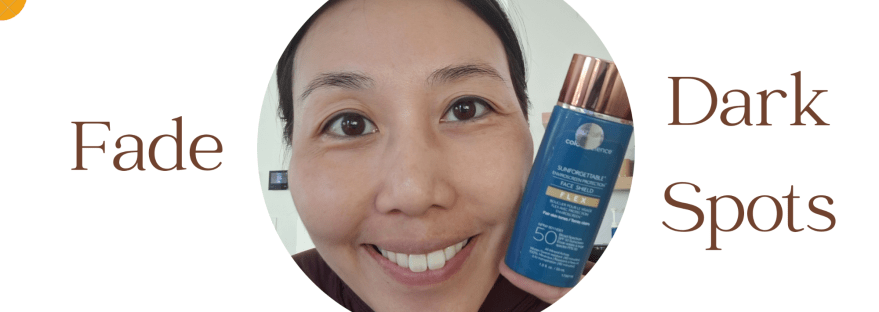
| Colorscience Sunforgettable Total Protection Face Shield Flex SPF 50 | Zinc Oxide (12%), Niacinamide, Disodium Lauriminodipropionate Tocopheryl Phosphates, Basabolol, Allantoin, Dimethylmethoxy Chromanol, Tremella Fuciformic Sporocarp Extract | Colorscience.com |
Inhibit Melanin Production
| Product | Good Ingredients | Where to buy | Possible Bad Ingredients (Irritancy, Comedogenicity) | |
| Cos de Baha Arbutin + Niacinamide Serum | Aloe Barbadensis Leaf Extract, Arbutin (5%), Niacinamide (5%), Glycerin, Sodium Hyaluronate, Dipotassium Glycyrrhizate, Allantoin, Witch Hazel | Stylevana.com | ||
| Cos de Baha Tranexamic Acid 5% Niacinamide 5% Serum | Aloe Vera Extract, Tranexamic acid, Niacinamide, Betaine, Hyaluronic Acid, Allantoin, Camellia Leaf Extract | Stylevana.com | ||
| Glenmark Pharma Demelan Cream | Glycolic Acid, Arbutin, Kojic Acid | Amazon.ca | ||
| Good Molecules Daily Brightening Serum | Arbutin, Glycerin, 3xHyaluronic Acid | Ulta.com | ||
| The Inkey List SuperSolutions 10% Azelaic Serum Redness Relief Solution | Azelaic Acid, Allantoin, Glycerin, | theinkeylist.com | Sorbitan Isostearate (0,1-2) | |
| Naturium Alpha Arbutin Serum 2% | Alpha Arbutin, Niacinamide, Sodium Hyaluronate, Glycerin, Panthenol, Tremella Fuciformis Sporocarp Extract, Betaine | Naturium.com | Amazon.ca | Tocopherol (0,3) Vitamin E |
| Naturium Azelaic Topical Acid 10% | Potassium Azeloyl Diglycinate, Niacinamide, Ethyl Ascorbic Acid, Sodium Hyaluronate, Glycerin | Naturium.com | Tocopherol (0,3) Vitamin E |
Exfoliants
| Product | Good Ingredients | Where to buy | Possible Bad Ingredients (Irritancy, Comedogenicity) | |
| Good Molecules Overnight Exfoliating Treatment | Glycolic Acid, Glycerin, Lactic Acid, Salicylic Acid, HA | Ulta.com | Tocopherol (0,3) Vitamin E, Sorbitan Oeate (0,3) | |
| Neutrogena Stubborn Blackheads Daily Serum | Salicylic Acid, Glycolic Acid, Mandelic Acid, Gluconolactone | Amazon.ca | ||
| Paula’s Choice Skin Perfecting 25% AHA + 2% BHA Exfoliant Peel | Glycolic Acid, Lactic Acid, Mandelic Acid, Salicylic Acid, Malic Acid, Sodium Hyaluronate, Glycerin, Bisabolol, Allantoin, Hydrogenated Lecithin | Sephora.com | Amazon.ca | |
| The Ordinary AHA 30% BHA 2% Peeling Solution | Glycolic Acid, Salicylic Acid, Lactic Acid, Panthenol, Sodium Hyaluronate Crosspolymer, Tasmannia Lanceolata Fruit/Leaf Extract, Glycerin | Sephora.com | Amazon.ca |
Achieving a more even skin tone and reducing pigmentation requires dedication, patience, and the right approach to skincare. By implementing preventive measures such as sun protection and lifestyle adjustments, incorporating melanin inhibitors, exfoliants, and antioxidants into your skincare routine, you can gradually diminish pigmentation and achieve a radiant complexion.
It’s important to understand that visible results won’t happen overnight. Consistency is key, and it typically takes at least 8 weeks of diligent skincare to notice significant improvements. However, for those seeking faster results, professional procedures available at reputable skin clinics can complement your at-home regimen and accelerate the process.
Remember, skincare is not a one-size-fits-all solution, so finding the right products and treatments that work for your skin type and concerns is essential. With commitment and the right approach, you can achieve the clear, luminous skin you desire.
Disclaimer: I love shopping on Amazon, so I’m an Amazon Affiliate and may receive a small commission on some of the above linked items.

 Skin and Permanent Makeup Specialists
1 thought on “Pigmentation, Dark Spots, Melasma”