

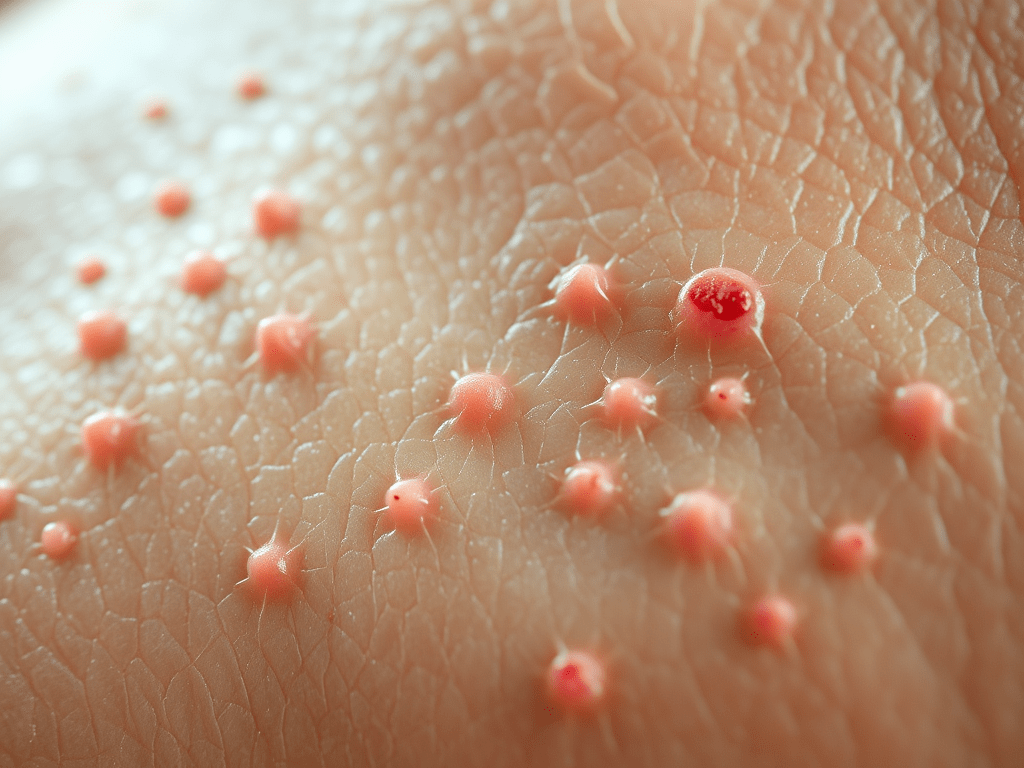
Take Control: Let’s Combat Fungal Acne Together!
The goal of this blog post is to empower you with the knowledge and tools necessary to effectively combat fungal acne. By understanding the causes, symptoms, and the importance of using the right skincare products, you’ll learn how to easily adopt a safe and effective skincare routine that works for your unique skin type. With the right information at your disposal, you can take control of your skin health, minimize the impact of fungal acne, and boost your confidence in your skin’s appearance. Let’s dive right in!
1. What is Fungal Acne?
Fungal Acne (Malassezia Folliculitis/Pityrosporum Folliculitis)
Fungal acne, scientifically known as Malassezia folliculitis, is a skin condition caused by an overgrowth of the Malassezia yeast, a type of fungus that naturally resides on the skin. This condition often mimics traditional acne, presenting as itchy, inflamed pustules or papules primarily on the face, back, and shoulders. Unlike bacterial acne, which is driven by clogged pores and inflammation from bacteria, fungal acne is typically linked to factors such as excess oil production, humidity, friction from clothing, and the use of certain skincare products or ingredients that promote fungal growth.
Common symptoms include:
– Small, itchy, red or inflamed bumps
– Pustules that may resemble traditional acne
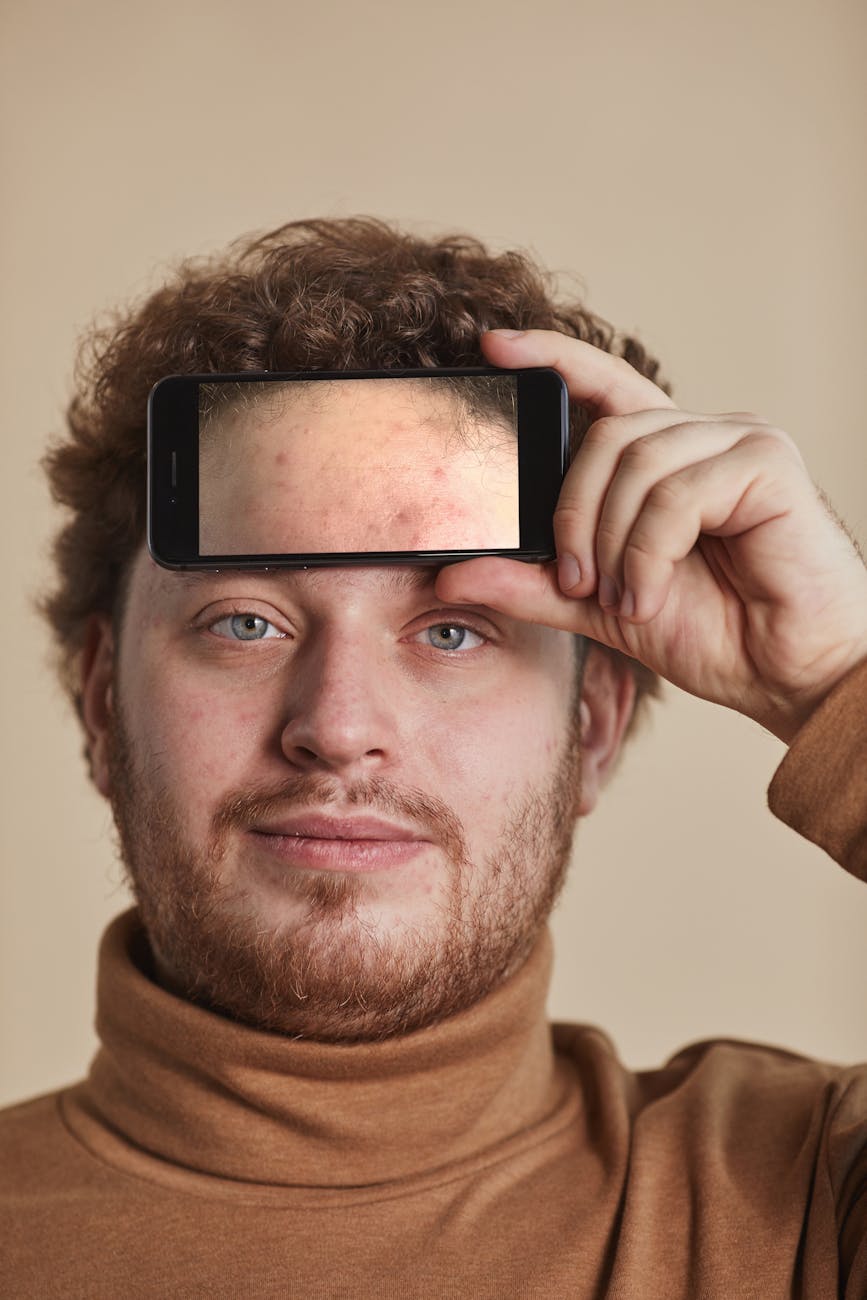
– Common placement on the forehead, chest, back, and shoulders
2: The Importance of Using Fungal Acne Safe Products
Many common skincare products can exacerbate fungal acne due to their ingredients that promote excess oil production and create an environment conducive to fungal overgrowth. Heavy oils, certain silicones, and comedogenic ingredients can clog pores and trap moisture, leading to irritation and flare-ups. Moreover, products formulated with high concentrations of sugars or fatty acids can further feed the Malassezia yeast, worsening the condition. In contrast, using fungal acne-safe products formulated with lightweight ingredients, non-comedogenic oils, and antifungal properties can effectively mitigate breakouts. These products help restore the skin’s natural barrier while reducing inflammation and promoting overall skin health. By opting for formulations that support a balanced skin microbiome, you empower yourself to achieve clearer skin and prevent future outbreaks of fungal acne.
Here’s a list of common skincare ingredients that are generally considered not safe for fungal acne (Malassezia):
- Fatty Acids (like oleic acid, myristic acid)
- Esters (like isopropyl myristate, isopropyl palmitate)
- Coconut Oil
- Shea Butter
- Squalane (derived from olives)
- Cocoa Butter
- Lanolin
- Certain Oils (like palm oil, olive oil)
- Fatty Alcohols (like cetyl alcohol, stearyl alcohol)
- Certain Silicones (like dimethicone in some formulations)
3: Fungal Acne Recommended Ingredients
The choice of ingredients is crucial for effectively addressing fungal acne, as certain compounds can exacerbate the condition while others help manage it. Fungal acne thrives on specific oils and fatty acids, making it essential to use non-comedogenic, antifungal, and soothing ingredients that promote a healthy skin barrier and reduce inflammation, ultimately leading to clearer, healthier skin.
Antibacterial Ingredients:
- Tea Tree Oil: Known for its antimicrobial properties, effective against acne-causing bacteria.
- Willow Bark Extract: Contains salicylic acid, which has antibacterial effects.
Anti-inflammatory Ingredients:
- Aloe Vera: Soothes the skin and reduces redness and irritation.
- Chamomile Extract: Calms inflammation and is gentle on sensitive skin.
- Centella Asiatica: Known for its healing properties, it reduces inflammation and promotes skin repair.
Hydrating Ingredients:
- Hyaluronic Acid: Attracts moisture to the skin and keeps it hydrated.
- Glycerin: A humectant that draws moisture from the environment to the skin.
- Panthenol (Pro-vitamin B5): Hydrates and improves skin barrier function.
Additional Beneficial Ingredients:
- Niacinamide: Brightens skin, improves texture, and has anti-inflammatory properties.
- Ketoconazole, clotrimazole, or fluconazole: Reduces the amount of yeast on your skin and eliminating the infection of hair follicles.
- Sulfur: Also a common ingredient in skincare products known for its anti-fungal properties.
4: Product Recommendations
Suggested routine for 6-8 weeks:
Morning Routine:
- Cleanser: WATER
- Treatment: Spot Treatment – Adapalene
- Serum
- Sunscreen
- Hypochlorous Acid Spray: throughout the day when needed to kill bacteria
Evening Routine:
- Cleanser:
- Micellar Water: if you wear makeup or mineral sunscreen
- Calming Cleanser or Anti Fungal Cleanser (Ketokonazole)
- Treatment: Anti-Fungal – Clotrimazole Cream
- Toner/Essence/Spray: only if you would like to incorporate into your routine
- Serum
- Moisturizer
- Exfoliant: AHA/BHA (2-3 times a week)
5: Fungal Acne Safe Skin Care List
Cleansers
| CLEANSERS | Active Ingredients | Possible Irritants or Comedogenic Ingredients | |||
|---|---|---|---|---|---|
| *some people may be allergic to Vitamin E (Tocopherol) Irr 0-3 Com 0-3 | |||||
| BUBBLE | Fresh Start Cleanser | Glycerin, Aloe Vera, Ascorbic Acid, Caffeine, Gluconolactone, Tocopherol | Beautybay | Amazon.com | Tocopherol | |
| ETUDE HOUSE | Soonjung pH 6.5 Whip Cleanser | Glycerin, Panthenol, Madecassoside, Camellia Sinensis Leaf Extract | Stylevana | Amazon.com | Amazon.ca | |
| B-LAB | Matcha Hydrating Foam Cleanser | Glycerin, Green Tea Extract, Betaine, Centella Asiatica Extract, Hydrogenated Lecithin, Allantoin, Beta-Glucan, Ceramide NP, Hydrolized Hyaluronic Acid | Stylevana | Amazon.com | ||
| COSRX | Low Ph Niacinamide Micellar Cleansing Water | Panthenol, Sodium Hyaluronate, Allantoin, Niacinamide, Zinc Pca, Madecassoside | Ulta | Amazon.com | Amazon.ca | |
| GARNIER | SkinActive Micellar Cleansing Water & Makeup Remover | Glycerin | Ulta | Amazon.com | Amazon.ca | Hexylene Glycol Irr 0-1 Com 0-2 |
| BIODERMA | Sensibio H2O Micellar Water | Mannitol, Xylitol, Cucumber Fruit Extract | Beautybay | Amazon.com | Amazon.ca |
Spray/Toner/Essence
| Spray / Toner / Essense | Active Ingredients | Possible Irritants or Comedogenic Ingredients | |||
|---|---|---|---|---|---|
| *some people may be allergic to Vitamin E (Tocopherol) Irr 0-3 Com 0-3 | |||||
| TOWER 28 | SOS Daily Rescue Facial Spray | Hypocholorous Acid (HOCL) | Tower28 | Amazon.com | ||
| THE DAILY ESSENTIAL CO | Dew Over Hypochlorous Acid Spray | Hypocholorous Acid (HOCL) | Anthropologie | |||
| BRIOTECH Topical Skin Spray, Hypochlorous Acid Spray for Body & Face | Hypocholorous Acid (HOCL) | Amazon.com | |||
| e11ement – Hypochlorous Acid All Natural Face and Skin Spray | Hypocholorous Acid (HOCL) | Amazon.ca | |||
| SKIN1004 | Skin Brightening Boosting Toner | Niacinamide, Glycerin, Centella Asiatica Extract, Panthenol, Allantoin, Betaine, Xylitylglucoside, Anhydroxylitol, Xylitol, Madecassoside, Glucose, Apple Fruit Extract, Grape Fruit Extract, 3-0 Ethyl Ascorbic Acid | Stylevana | Amazon.com | ||
| BEAUTY OF JOSEON | Ginseng Essence Water | Glycerin, Niacinamide, Panthenol, Dipotassium Glycyrrhizate, Allantoin, Adenosine, Glucose, Panax Ginseng Root Extract, Sodium Hyaluronate | Stylevana | Amazon.com | ||
| COSRX | Pure Fit Cica Toner | Centella Asiatica Extract/Centella Asiatica Leaf Extract, Betaine, Panthenol, Glycerin, Allantoin, Pinus Pinaster Bark Extract, Asiaticoside, Asiatic Acid, Madecassic Acid, Madecassoside | Lookfantastic | Amazon.com | ||
| I’M FROM | Mugwort Essence | Artemisia Princeps Extract (100%) | Sokoglam | Amazon.com | Amazon.ca | |
| Skin1004 | Madagascar Centella Toner | Centella Asiatica Extract (84%), Niacinamide, Gluconolactone, Adenosine, Betaine, Hyaluronic Acid | Stylevana | Amazon.com | Amazon.ca | |
| ISNTREE | Green tea Fresh Toner | Green Tea Extract, Asiatic Pennywort Extract, White Willow Bark Extract, Ulmus Davidiana Root Extract, Hydrolyzed Hyaluronic Acid, Allantoin, Dipotassium Glycyrrhizate, Beta-Glucan | Sokoglam | Amazon.com | ||
| IUNIK | Tea Tree Relief Toner | Niacinamide, Glycerin, Centella Asiatica Extract, Betaine, Sodium Hyaluronate, Portulaca Oleracea Extract | Stylevana | |||
| MIXSOON | Soondy Centella Asiatica Essence | Centella Asiatica Extract (100%) | Sokoglam | Amazon.com | Amazon.ca | |
| ROUNDLAB | 1025 Dokdo Toner | Glycerin, Chondus Crispus Extract, Sugarcane Extract, Betaine, Panthenol, Allantoin | Beautybay | Amazon.com | Amazon.ca | |
| ANUA | Heartleaf 77% Soothing Toner | Houttuynia Cordata Extract (77%), Glycerin, Betaine, Pantenol, Sugarcane Extract, Portulaca Oleracea Extract, Chamomilla Recutitia Flower Extract, Articum Lappa Root Extract, Grape Fruit Extract, Apple Extract, Centella Asiatica Extract | Stylevana | Amazon.com | Amazon.ca | |
| COSRX | AHA BHA Clarifying Treatment Toner | Sodium Lactate, Glycolic Acid, Betaine Salicylate, Allantoin, Panthenol | Dermstore | Amazon.com | Amazon.ca |
Serum
| SERUM | Active Ingredients | Possible Irritants or Comedogenic Ingredients | |||
|---|---|---|---|---|---|
| *some people may be allergic to Vitamin E (Tocopherol) Irr 0-3 Com 0-3 | |||||
| IUNIK | Tea Tree Relief Serum | Tea Tree Water (67%), Centella Asiatica Leaf Water (19%) Niacinamide, Centella Asiatica Extract, Sodium Hyaluronate, Glycerin, Betaine, Portulaca Oleracea Extract, Wheat Germ Extract, Allantoin, Beta-Glucan, Adenosine, Dipotassium Glycyrrhizate, Licorice Root Extract | Stylevana | Commiphora Myrrha Resin Extract Irritant | ||
| PEACH & LILY | Glass Skin Refining Serum | Niacinamide, Sodium Hyaluronate, Adenosine, Madecassoside, Hydrolyzed Hyaluronic Acid, Sodium Acetylated Hyaluronate, Acetyl Octapeptide-3, Beta-Glucan, Saccharide Isomerate, Sucrose, Asiaticoside | Ulta | Amazon.com | ||
| BEAUTY OF JOSEON | Calming Serum: Green Tea & Panthenol | Camellia Sinensis Leaf WAter (50.9%), Panthenol (5%), Glycerin, Coptis Japonica Root Extract, Betaine, Allantoin, Dipotassium Glycyrrhizate, Sodium Hyaluronate | Stylevana | Amazon.com | Amazon.ca | |
| IUNIK | Beta Glucan Power Moisture Serum | Beta Glucan, Sodium PCA | Stylevana | Amazon.com | Amazon.ca | |
| ACWELL | Licorice pH Balancing Advance Serum | Glycerin, Niacinamide, Adenosine, Sodium Hyaluronate, Avena Sativa (Oat) Kernel Extract, Beta-Glucan, Hydrogenated Lecithin, Tocopherol, Pinus Pinaster Bark Extract | Stylevana | Amazon.com | Tocopherol | |
| BEAUTY OF JOSEON | Revive Serum: Ginseng & Snail Mucin | Snail Secretion Filtrate, Glycerin, Niacinamide, Trehalose, Centella Asiatica Extract, Panax Ginseng Root Extract, Adenosine, Sodium Hyaluronate, Hydrolyzed Hyaluronic Acid, Honeysuckle Flower Extract, Scutellaria Baicalensis Root Extract, Sodium Acetylated Hyaluronate | Stylevana | Amazon.com | Amazon.ca | |
| VICHY | Mineral 89 Fortifying and Plumping Daily Booster | Glycerin, Methyl Gluceth-20, Sodium Hyaluronate, Biosaccharide Gum-1 | Ulta | Amazon.com | Amazon.ca | |
| SKIN1004 | Madagascar Centella Ampoule | Glycerin, Centella Asiatica Extract | Stylevana | Amazon.com | Amazon.ca | |
| Round Lab | Pine Tree Soothing Cica Ampoule | Glycerin, Centella Asiatica Extract, Propanediol, Hyaluronic Acid, Coptis Japonica Root Extract, Asiaticoside, Asiatic Acid, Madecassoside, Madecassic Acid, Capriloyl Salicyllic Acid | Stylevana | Amazon.com |
GEL / CREAM
| GEL/CREAM | Active Ingredients | Possible Irritants or Comedogenic Ingredients | |||
|---|---|---|---|---|---|
| *some people may be allergic to Vitamin E (Tocopherol) Irr 0-3 Com 0-3 | |||||
| Beplain | Cicaful Calming Gel | Centella Asiatica Extract, Ulmus Davidiana Root Extract, Amaranthus Caudatus Seed Extract, Hydrogenated Lecithin, Ceramide NP | Stylevana | Amazon.com | Amazon.ca | |
| INNISFREE | Cherry Blossom Dewy Glow Jelly Moisturizer | Glycerin, Niacinamide, Betaine, Tocopherol | Beautybay | Amazon.com | Amazon.ca | Fragrance, Tocopherol |
| PURITO | B5 Panthenol Re-Barrier Cream | Centella Asiatica Extract, Panthenol (10%), Squalane, Niacinamide, Dipotassium Glycyrrhizate, Sodium Hyaluronate, Madecassoside, Asiaticoside, Asiatic Acid, Copper Tripeptide-1, Madecassic Acid | Lookfantastic | Amazon.com | Amazon.ca | |
| PURITO | Oat-in Calming Gel Cream | Glycerin, Squalane, Dipotassium Glycyrrhizate, Panthenol, Beta Glucan | Lookfantastic | Amazon.com | ||
| SKIN1004 | Madagascar Centella Poremizing Light Gel Cream | Centella Asiatica Extract, Aloe Barbadensis Leaf Extract, Niacinamide, Glycerin, Xylitol, Biosaccharide Gum-1, Betaine, Adenosine, Panthenol, Turmeric Root Extract, Hyaluronic Acid, Hydrolyzed Hyaluronic Acid, Sodium Hyaluronate, Xylitylglucoside, Anhydroxylitol, Ulmus Davidana Root Extract, Allantoin, Kaolin | Ulta | Amazon.com | ||
| BENTON | Aloe Propolis Soothing Gel | Glycerin, Aloe Barbadensis Leaf Extract, Betaine, Cucumber Fruit Extract, Purtulaca Oleracea Extract, Camellia Sinensis Leaf Extract, Allantoin, Aloe Barbadensis Leaf Juice Powder, Arginine | Stylevana | Amazon.com | ||
| COSRX | Low pH Goodnight Soft Peeling Gel | Glycerin, Niacinamide, Lactobionic Acid, Hyaluronic Acid, Hydrolyzed Hyaluronic Acid, Sodium Hyaluronate | Lookfantastic | Amazon.com |
ACNE TARGETING
| ACNE FIGHTERS | Active Ingredients | Possible Irritants or Comedogenic Ingredients | |||
|---|---|---|---|---|---|
| *some people may be allergic to Vitamin E (Tocopherol) Irr 0-3 Com 0-3 | |||||
| DIFFERIN | Adapalene Gel 0.1% Acne Treatment | Adapalene (retinoid) | Ulta | Amazon.com | ||
| GLOBE | Clotrimazole 1% Cream | Clotrimazole (anti-fungal) | Amazon.com | |||
| NIZORAL | Ketakonazole Anti Dandruff Shampoo | Ketakonazole (anti-fungal) | Amazon.com | Amazon.ca |
SUNSCREEN
| SUNSCREEN | Active Ingredients | Possible Irritants or Comedogenic Ingredients | |||
|---|---|---|---|---|---|
| *some people may be allergic to Vitamin E (Tocopherol) Irr 0-3 Com 0-3 | |||||
| ELTAMD | UV Restore Tinted Broad-Spectrum SPF 40 | Zinc Oxide (15%), Titanium Dioxide (2%), Glycerin, Saccharide Isomerate, Squalane, Tetrahexldecyl Ascorbate, Ginger Root Extract, Lecithin, Iron Oxides | Dermstore | Amazon.com | ||
| EUCERIN | Advanced Hydration Sunscreen Lotion SPF 50 | Avobenzone 3%, Homosalate 9%, Octisalate 4.5%, Octocrylene 9%, Sodium Hyaluronate, Tocopherol, Aloe Barbadensis Leaf Juice, Sodium Ascorbyl Phosphate | Target | Amazon.com | Amazon.ca | Tocopherol |
| DERMA E | Sun Protection Mineral Powder Spf 30 | Titanium Dioxide 17.29%, Zinc Oxide 20%, Tocopherol, Matricaria Flower Extract, Green Tea Leaf Extract | Dermae | Amazon.com | Tocopherol | |
| BANANA BoAT | Simply Protect Baby Spf 50+ | Titanium Dioxide 4.5%, Zinc Oxide 6.5%, Glycerin | Amazon.com | Amazon.ca | ||
| BANANA BOAT | Simply Protect Kids Spf 50+ | Titanium Dioxid 4.5%, Zinc Oxide 6.5%, Glycerin | Amazon.com | Amazon.ca | ||
| PAULA’S CHOICE | RESIST Youth-Extending Daily Hydrating Fluid SPF 50 | UV: Avobenzone, Octinoxate, Octisalate, Octocrylene Glycerin, Tocopherol, Matricaria Flower Extract, Grape Seed Extract, Green Tea Leaf Extract | Paula’s Choice | Amazon.com | Tocopherol | |
6. Jojo’s Routine
7: Additional Tips for Managing Fungal Acne
- Hygiene tips: change pillowcases weekly, avoid touching the face
- Choose breathable clothing (cotton, silk, linen)
- Drink lots of water
- Eat non-processed foods
Conclusion
Using fungal acne-safe products is essential for effectively managing Malassezia folliculitis. This condition can be persistent, requiring patience and consistent care to see improvement. It’s important to remember that individual experiences may vary, and finding the right products can take time. Share your journey with us! Your experience may help others navigate their own challenges with this condition.
If you found this information helpful, consider sharing it with friends who might be facing similar challenges with fungal acne. Your support could make a difference for someone else!
Follow Us for more Skin Care Tips
My Lists of Fave Non-Irritating, Non-Comedogenic Products
Disclaimer: I love shopping on Amazon, so I have become an Amazon affiliate, so I do get some commision on some of the skincare I recommend.

 Skin and Permanent Makeup Specialists