
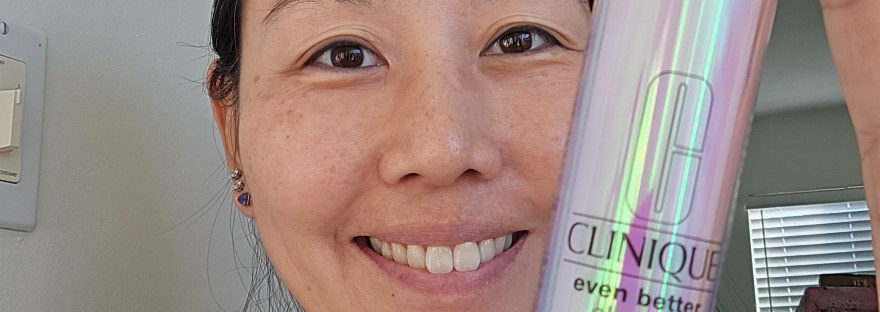
Pigmentation — whether from sun damage, post-acne marks, or melasma — happens when excess melanin is produced or unevenly distributed in the skin. The best serums don’t just cover marks; they block melanin formation, calm inflammation, and help skin renew evenly. Always pair these with daily SPF for best results!
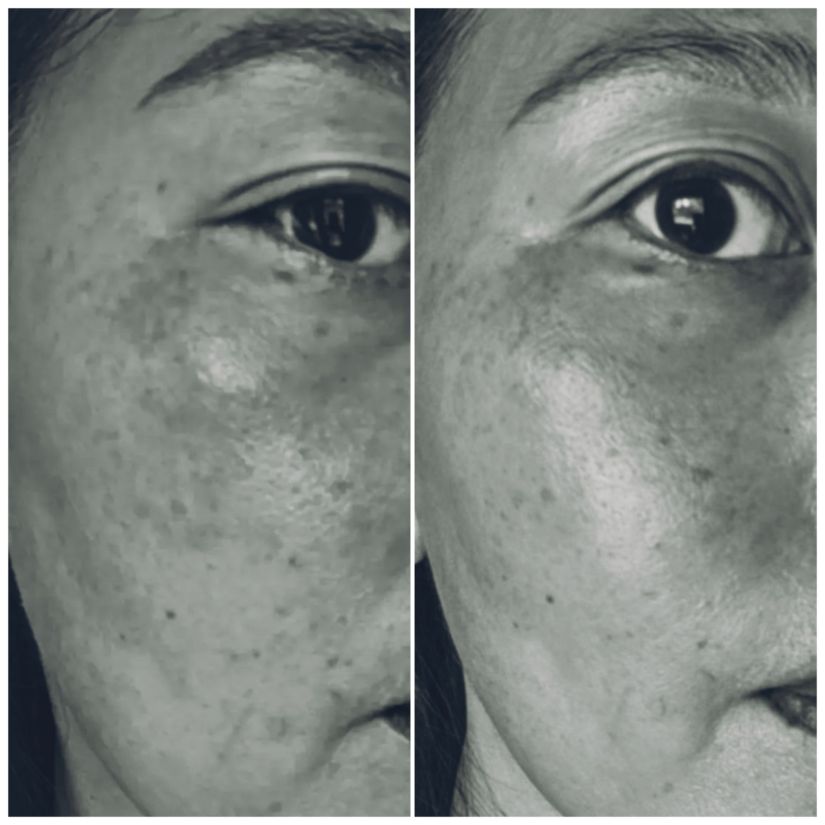
1. Calecim Professional Pigment Solution
Discount Code: JOJO15
Why it’s on the list: A professional-grade, multi-pathway pigment solution that’s hydroquinone-free but still very potent — perfect if you want advanced brightening without harsher bleaching agents.
How it works on pigmentation:
- PTT-6® complex: Growth factors & proteins support cell renewal — helping renewal of uneven skin tone.
- 4-Butylresorcinol & Tranexamic Acid: Suppress tyrosinase (melanin-producing enzyme) and inflammation-linked pigment formation.
- Niacinamide & glutathione: Brighten & calm pigmentation while strengthening skin barrier.
💡 Great for: stubborn dark marks, melasma-prone or sensitive skin needing deeper, regenerative support.
2. La Roche Posay Mela B3 Serum
Why it’s on the list: A formula that targets stubborn discoloration with next-gen actives, widely recommended for uneven tone and dark spots.
How it works on pigmentation:
- Melasyl™: A proprietary molecule that intercepts excess melanin before it surfaces.
- Niacinamide (10%): Reduces pigment transfer between cells and calms inflammation.
- Gentle acids & hyaluronic support: Improve texture and brightness as spots fade.
💡 Great for: early improvement in 2–4 weeks, daily use under SPF, and as a layering serum.
3. Clinique Even Better Clinical Dark Spot Clearing Serum
Why it’s on the list: A trusted pick that blends pigment-interrupting science with gentle delivery — a good bridge between skincare and dermatologist-approved tech.
How it works on pigmentation:
- Brightening complexes: Combines powerful molecules (like UP302 anti-pigment tech) and vitamin C alternatives to discourage melanin production.
- Exfoliating support: Light salicylic acid helps shed pigmented surface cells.
- Botanical & calming extracts: Reduce irritation that can worsen dark marks.
💡 Great for: broader tone correction and prevention of new spots alongside fading existing ones.
Why it’s on the list: An all-in-one fading powerhouse blending exfoliation, brightening, and barrier support — great for challenging pigment from acne or post-inflammatory dark spots.
How it works on pigmentation:
- 3% Tranexamic Acid: Inhibits inflammation-linked pigment pathways.
- Encapsulated Retinol & Mandelic Acid: Encourage cell turnover to shed pigmented cells.
- Kojic Acid & Licorice Root: Neutralize and slow new melanin formation.
- Niacinamide & glutathione: Brighten and support a smoother, stronger barrier.
💡 Great for: nighttime use (many recommend pairing with SPF AM), especially in routines that need exfoliation plus brightening.
5. Dr. Idriss Major Fade Hyper Serum
Why it’s on the list: A dermatologist-led formulation that mixes multiple pigment-targeting actives in an accessible, everyday serum.
How it works on pigmentation:
- Alpha-Arbutin & Kojic Acid: Inhibit melanin production for visible fading of dark spots.
- Niacinamide: Strengthens skin barrier while brightening and controlling inflammation.
- Licorice & antioxidant actives: Soothing and help prevent future pigmentation flares.
💡 Great for: daily brightening with good hydration — ideal for all skin types and tone concerns.
Quick Ingredient Breakdown — What Actually Fades Pigmentation
Here’s how these products actually work on dark spots:
🟡 Niacinamide — Calms inflammation, reduces pigment transfer, and strengthens barrier health.
🟡 Alpha-Arbutin / Butylresorcinol — Inhibit tyrosinase, the enzyme that makes melanin.
🟡 Tranexamic Acid — Interrupts inflammation-triggered pigmentation, great for melasma and PIH.
🟡 Kojic Acid — Slows melanin synthesis and brightens tone.
🟡 Retinoids & Mandelic Acid — Speed cell turnover so pigment fades off faster.
Tips for Best Results
✔ Always use broad-spectrum SPF 30+ — sun exposure reactivates pigmentation.
✔ Be consistent — most serums take 6–12 weeks for visible fading.
✔ If you have sensitive skin, introduce actives slowly and pair with hydrating creams.

 Skin and Permanent Makeup Specialists